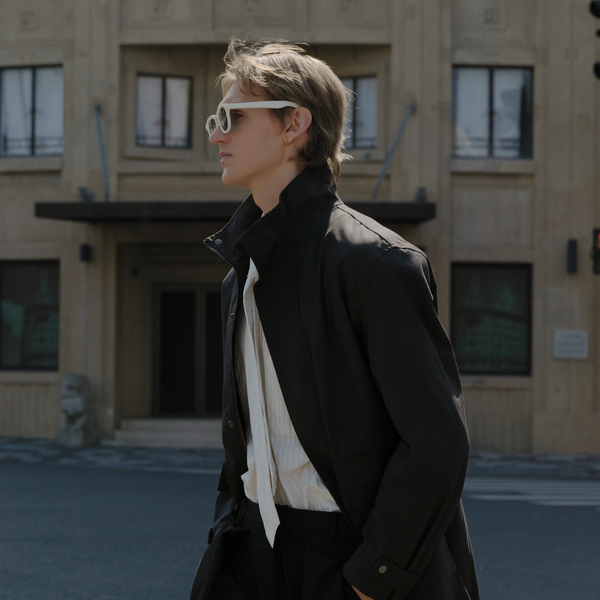
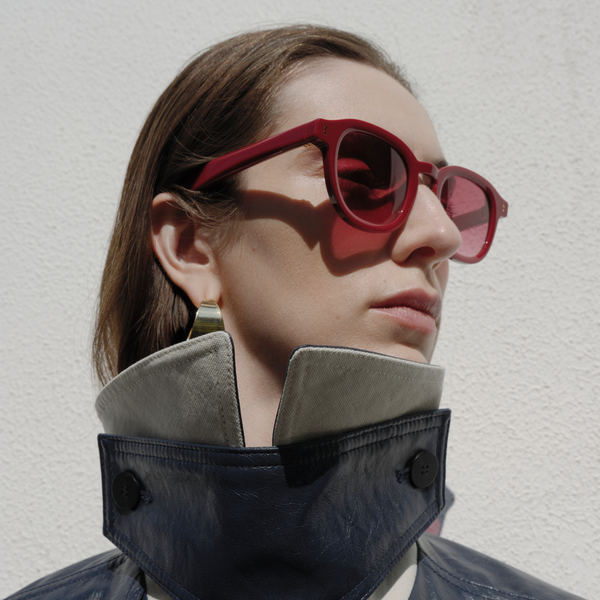
Electrochromic eyewear is expanding the possibilities of everyday sunglasses by allowing lens appearance to change through electronic control. As technology becomes more integrated into personal accessories, eyewear is no longer defined by function or appearance alone. It can offer greater adaptability while retaining the familiar form and ease of traditional glasses.
For Sutyo, this development is an opportunity to rethink how people interact with their eyewear. By combining electrochromic lens technology, direct controls, and considered frame design, Sutyo explores how innovation can become part of an everyday wearing experience without making the technology itself the main attraction.
Beyond Traditional Categories of Eyewear
Eyewear has traditionally been designed around specific needs: protecting the eyes from sunlight, correcting vision, or completing an outfit. Smart eyewear introduces another dimension, bringing electronic functions into an accessory people already wear every day.
However, adding technology does not automatically make a product more useful. Complicated controls, unnecessary screens, or an unfamiliar design can make an everyday object less intuitive. The challenge is to introduce new capabilities without losing the qualities that make glasses comfortable and easy to wear.
Sutyo approaches this challenge by keeping the familiar experience of sunglasses at the center of its design. Rather than treating technology as a separate feature, the brand integrates it into the lenses and frame, allowing adaptability to become part of the eyewear itself.

Electrochromic Eyewear With Direct Control
At the heart of Sutyo's approach is electrochromic technology, which allows the lenses to change their appearance through an electrical control system. Unlike conventional photochromic lenses, which respond to environmental conditions such as UV exposure, Sutyo's electrochromic lenses are adjusted through direct interaction with the frame.
The One Slide control is integrated into the temple, giving wearers a way to adjust the lenses without relying on a phone app for normal operation. Sliding a finger along the designated touch area changes the lens brightness or color, depending on the model. Holding the control for approximately three seconds returns the lenses to their clearest state, while a double tap switches between preset modes.
This interaction keeps the essential controls close at hand. Wearers can adjust their lenses as their preferences or surroundings change, without adding another screen or a separate device to the experience.
The design principle is straightforward: technology should provide a useful choice, and that choice should be easy to access. By integrating control into the temple, Sutyo makes the interaction part of the frame rather than an additional step in using the glasses.
LightShift and ColorShift: Two Ways to Change the Lenses
Sutyo's lens systems explore two distinct forms of personalization: adjusting tint and changing color expression.
LightShift focuses on lens darkness. On supported models, wearers can adjust the tint across a range from Category 1 to Category 3, providing different levels of visible darkness. The adjustment is controlled manually, allowing wearers to choose the lens appearance they prefer rather than depending solely on automatic environmental response.
ColorShift, featured in the Prism Veil model, focuses on color. Its lens appearance can shift through a range of iridescent expressions, including clear, blue, purple, and red. This brings color variation into the eyewear design itself, giving the lenses a visual role beyond conventional tint adjustment.
The two systems serve different purposes. LightShift is centered on controlling darkness, while ColorShift emphasizes changing color expression. Both demonstrate how electrochromic technology can expand the ways people interact with sunglasses, connecting practical adjustment with personal style.
These functions are designed around choice rather than complexity. Instead of introducing more digital interfaces, Sutyo uses the lens as the point of interaction, allowing changes in appearance to remain closely connected to the act of wearing the glasses.
Why Fashion Still Matters in Smart Eyewear
Even with advanced lens technology, sunglasses remain a highly visible personal accessory. Shape, proportion, color, and how a frame complements the wearer all influence whether a pair of glasses becomes part of everyday life.
Sutyo builds its designs around recognizable eyewear forms, including the classic Wellington silhouette. Familiar proportions help the frames retain a connection to conventional sunglasses, while the changing lenses introduce a different visual dimension.
Models such as Prism Veil, Pitch, Aurora Fade, and Oxide explore different expressions of this approach. Rather than relying on a single futuristic appearance, the collection considers how lens effects and frame design can work together across different styles.
This balance is important to the broader development of smart eyewear. A product may offer innovative functions, but it still needs to feel appropriate in daily settings and work with the wearer's personal style. Technology adds value when it supports that experience instead of overwhelming it.
For Sutyo, fashion and functionality are therefore not competing priorities. The frame establishes the product's visual identity, while electrochromic lenses add an adaptable element to the familiar experience of sunglasses.
Materials, Craftsmanship, and Prescription Support
The wearing experience also depends on the materials used to make the frame. Sutyo incorporates Arkema PA11, a bio-based polyamide, into selected frame designs. Material selection contributes to the frame's overall feel, structure, and finish, making it an important part of product development rather than a detail separate from the design.
Technology alone does not define how eyewear performs in everyday use. The frame must also support a comfortable fit and maintain the practical qualities people expect from sunglasses. Considering materials alongside electronic functions helps keep the complete product in focus.
Prescription support is another part of making eyewear relevant to more people. Sutyo offers prescription options for compatible models, including an insert positioned behind the electrochromic lens. This approach allows eligible wearers to explore the product without treating vision correction and lens technology as entirely separate needs. Availability and compatibility depend on the specific model and prescription requirements.

Design Recognition and the Future of Eyewear
Sutyo's approach has also received recognition through the 2026 iF Design Award for Product Design. The award provides an additional point of reference for the brand's work at the intersection of eyewear, technology, and product design.
As smart eyewear continues to develop, its future will depend on more than the number of functions a product can offer. Ease of use, thoughtful materials, adaptable performance, and visual appeal will remain important to whether new technology becomes part of people's everyday routines.
Electrochromic eyewear offers one way to explore that balance. By making lens appearance adjustable through direct control, it introduces a new dimension to a familiar accessory without requiring wearers to change how they think about glasses entirely.
Sutyo's work reflects this direction: keeping eyewear recognizable while giving it new possibilities through technology. The result is an approach in which design, personal expression, and functionality are developed together, allowing innovation to be experienced through the product itself.