If your sunglasses sometimes feel too dark while driving and other times seem not dark enough, you're not necessarily choosing the wrong pair.
The problem is that driving rarely happens under one consistent lighting condition. You might start your trip under bright sunlight, drive into the shade, pass beneath an overpass, enter a tunnel, and return to direct sunlight—all within a few minutes. A fixed-tint lens has to handle all of those conditions without changing. That can leave you with a familiar problem:
Too dark in one situation. Too light in another.
So what causes this, and could adjustable tint sunglasses offer a better way to handle changing light behind the wheel?
Why Do Sunglasses Feel Too Dark or Too Light While Driving?
The “right” tint isn't necessarily the darkest one. It depends on the amount and type of light you're experiencing at that moment.
When Your Sunglasses Feel Too Dark
A dark lens can feel comfortable when you're driving under strong, direct sunlight. But the same lens can become uncomfortable when you suddenly move into a darker environment.
For example:
Bright sunlight → tunnel
Open road → shaded road
Sunny road → covered parking area
If your lenses remain at the same tint level, your eyes receive much less visible light once the environment becomes darker. This is one reason very dark sunglasses aren't always the best choice for driving. The goal isn't to block as much light as possible. It's to have an appropriate amount of light reaching your eyes for the conditions you're actually driving in.
When Your Sunglasses Feel Too Light
The opposite problem can be just as frustrating.
You leave a shaded area and suddenly drive into direct sunlight. Your sunglasses may feel too light, leaving you wishing for a darker tint. With fixed-tint sunglasses, there isn't much you can do except tolerate the change or switch to another pair.
Photochromic sunglasses can automatically adjust, but their performance while driving can be affected by the vehicle's windshield. That's because photochromic lenses generally rely on UV exposure to trigger their tint transition, while windshields are designed to filter significant amounts of UV radiation. So a lens can remain relatively light even when the road outside looks extremely bright.
Why Driving Makes the Problem More Noticeable
Driving creates a unique combination of rapidly changing light, windshield-filtered UV, and long periods of visual focus.
Your sunglasses need to work with all three.
Your Windshield Changes the Light Around You
When you're outside the car, your sunglasses receive direct exposure to the surrounding environment.
Inside the car, the windshield changes what reaches your lenses. Visible light can still enter the cabin, making the road look bright, while much of the UV radiation that activates photochromic lenses is filtered.
This creates a situation where:
The environment looks bright, but a photochromic lens may not become as dark as you expect.
That's why photochromic sunglasses can behave differently when you're walking outside compared with when you're sitting behind the wheel.
The Road Can Change Faster Than Your Sunglasses
Driving also creates rapid transitions between light levels. Think about approaching a tunnel on a sunny day. Before the entrance, a darker tint may feel comfortable. A few seconds later, you're inside the tunnel. The ideal amount of visible light has changed—but your fixed sunglasses haven't.
The same problem occurs when emerging from a tunnel or passing between heavily shaded and open sections of road. For drivers, speed of adjustment can matter just as much as the range of tint.
Can Adjustable Tint Solve the Problem?
This is where adjustable tint sunglasses take a different approach. Instead of relying on one fixed lens state, adjustable tint allows the wearer to change how dark the lens is. With electronically controlled electrochromic sunglasses, the wearer can adjust the tint directly.
Automatic Adjustment vs. Direct Control
Photochromic lenses are designed to respond automatically to UV exposure. That's convenient when you want the environment to determine the tint.
Electrochromic lenses work differently.
An electrical signal changes the optical state of the lens, allowing the wearer to decide when to make the lens darker or lighter. For driving, that distinction can be useful. You don't have to wait for the right amount of UV exposure and you can simply adjust the tint according to what you see.
How Sutyo Uses Adjustable Tint
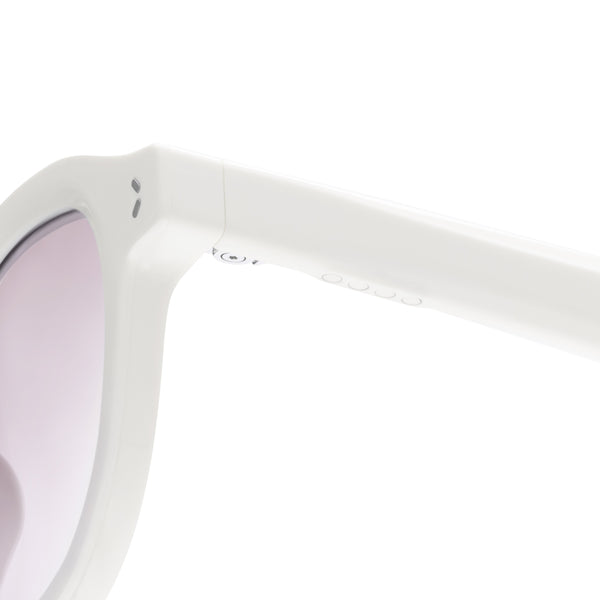
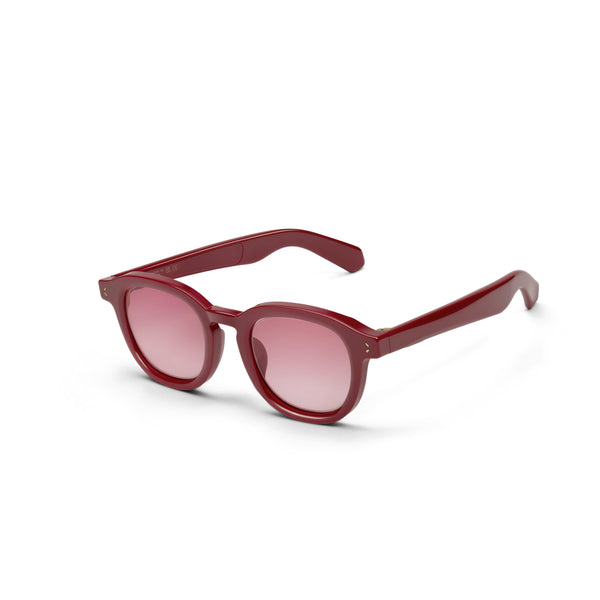
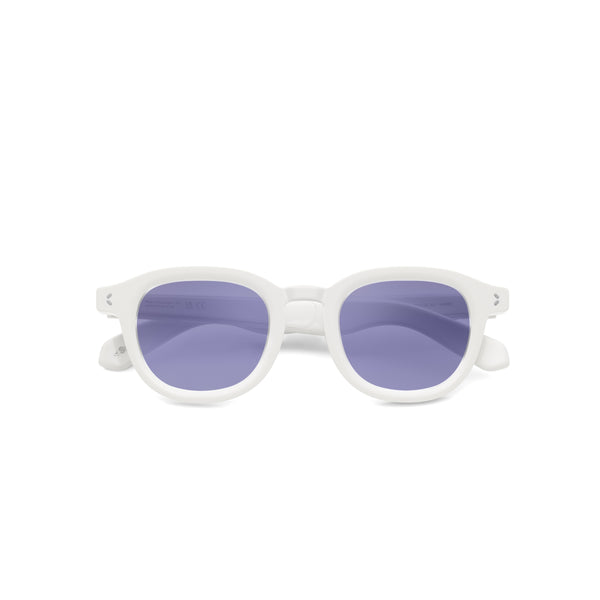
Sutyo Sunglasses use electrochromic technology to give the wearer continuous control over lens tint.
The tint can be adjusted through a slide interaction on the temple, allowing the wearer to move between lighter and darker states.
The system is designed for millisecond-level adjustment, so changing the tint doesn't require stopping, removing the sunglasses, or switching to another pair.
This is particularly relevant to situations where lighting can change quickly.
Instead of asking:
“Which tint should I choose for today's drive?”
you can ask:
“What tint do I need right now?”
That is the fundamental difference between fixed tint and adjustable tint.
Frequently Asked Questions
Why are my sunglasses too dark when driving?
Your sunglasses may feel too dark when you move from bright sunlight into shade, tunnels, or other lower-light environments. A fixed dark tint cannot adapt to these changes, so the lens may continue blocking more visible light than you need.
Why are my sunglasses not dark enough while driving?
If your sunglasses feel too light in bright conditions, the lens may not provide enough visible-light reduction for the environment. Photochromic lenses can also remain lighter inside a vehicle because the windshield filters much of the UV radiation that activates them.
Are dark sunglasses better for driving?
Not necessarily. Sunglasses that are comfortable in strong sunlight can become too dark when driving through tunnels, shade, or other lower-light conditions. For driving, an appropriate and adaptable tint can be more useful than simply choosing the darkest lens.
Do photochromic sunglasses work well while driving?
They can be useful outdoors, but their ability to darken inside a car may be limited by the windshield's UV-filtering properties. Photochromic lenses rely primarily on UV exposure to trigger their transition.
What are adjustable tint sunglasses?
Adjustable tint sunglasses allow the wearer to change the darkness of the lens instead of using one fixed tint. Depending on the technology, the adjustment can be automatic or controlled electronically.
Are adjustable tint sunglasses good for driving?
They can be particularly useful for drivers who regularly experience changing light conditions. Electrically controlled adjustable tint allows the wearer to adjust the lens directly rather than relying solely on environmental UV exposure.
How do Sutyo Sunglasses adjust their tint?
Sutyo Sunglasses use a slide interaction along the temple to continuously adjust the electrochromic lens. The system is designed to respond in milliseconds.
The Right Tint Is the One That Fits the Moment
If your sunglasses feel too dark or too light while driving, the problem may not be the sunglasses themselves. It may be the assumption that one tint should work for every lighting condition.
Highway driving, tunnels, shade, direct sunlight, and changing weather all create different visual environments. That's why adjustable tint offers an interesting alternative. Instead of choosing one level and accepting its limitations, you can adjust the lens to match the light around you.
The right tint doesn't have to be permanent.
Discover Adjustable Tint with Sutyo
Explore Sutyo's electrochromic sunglasses and experience a different approach to changing light.
Adjust the tint. Follow the light. Keep moving.