Why Do Transition Lenses Work Differently Inside Cars?
Many people expect transition lenses to behave the same way everywhere:
Bright sunlight → darker lenses
Less sunlight → clearer lenses
But photochromic technology does not respond directly to brightness.
It responds to UV exposure.
This distinction matters inside vehicles.
A sunny day can still feel uncomfortable while driving because visible light and glare can enter through the windshield even when UV levels are reduced.
How Photochromic Lenses Actually Work
Photochromic lenses contain light-sensitive materials that change their optical properties when exposed to UV radiation.
The process:
- UV light reaches the lens
↓
- Photochromic molecules react
↓
- Lens becomes darker
↓
- UV exposure decreases
↓
- Lens gradually returns clearer
The system is automatic.
However, the system depends on one condition:
Enough UV light must reach the lens.
Why Windshields Create a Problem
Modern vehicle windshields are designed to provide UV protection.
This is beneficial for:
- Skin protection
- Eye protection
- Interior material protection
However, it also creates a challenge for UV-dependent lenses.
When a driver wears transition lenses:
Outside the vehicle:
☀️ More UV exposure → lenses darken
Inside the vehicle:
🚗 Windshield blocks UV → lens activation may be reduced
The result:
The driver may still experience:
- Bright sunlight
- Road glare
- Reflections
while the lenses remain lighter than expected.
Why Brightness and UV Are Not the Same
One common misunderstanding is:
“If the sunlight is bright, transition lenses should become dark.”
But brightness and UV exposure are different.
A situation can have:
High visible light
Low UV activation
This is exactly why driving creates challenges for photochromic lenses.
The environment appears bright to your eyes.
But the lens may not receive enough UV signal to react.
What Are the Best Sunglasses for Driving?
Good driving sunglasses need to handle rapidly changing light conditions.
Drivers experience:
- Open highways
- Tunnel entrances
- Shadows from buildings
- Changing weather
- Sun reflections
The ideal driving sunglasses should provide:
Consistent Tint Control
The lens should work regardless of UV conditions.
Fast Adjustment
The wearer should not need to wait for the environment.
Comfortable Visibility
The goal is not simply darker lenses.
The goal is better visual comfort.
Electrochromic Sunglasses vs Transition Lenses for Driving
| Feature | Transition / Photochromic Lenses | Electrochromic Sunglasses |
|---|---|---|
| Tint trigger | UV exposure | Electrical control |
| Works behind windshield | Limited | Yes |
| User control | No | Yes |
| Response | Environmental reaction | User adjustment |
| Driving suitability | Depends on conditions | Designed for changing light |
How Electrochromic Sunglasses Solve the Driving Problem
Electrochromic sunglasses use a different principle.
Instead of asking:
“Is there enough UV light?”
they ask:
“What tint does the user need?”
The wearer can adjust lens darkness directly.
Examples:
Bright highway
Increase tint for stronger light protection.
Tunnel entrance
Reduce tint for better visibility.
Cloudy conditions
Adjust for comfort.
The sunglasses respond to the driver.
Why Sutyo Is Designed for Driving Scenarios
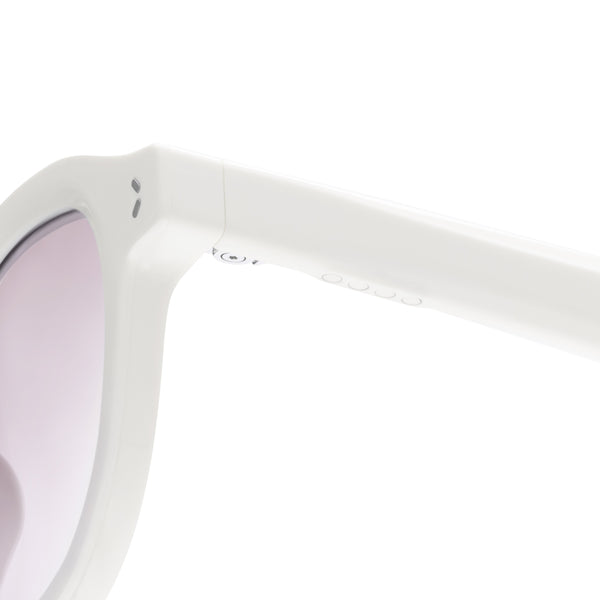
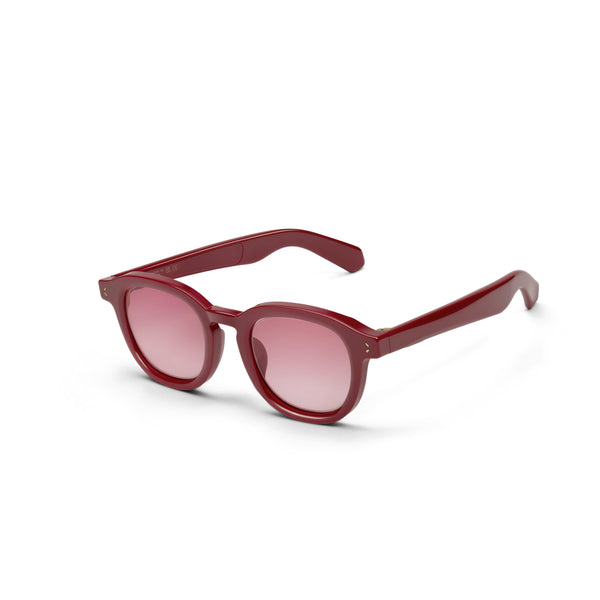
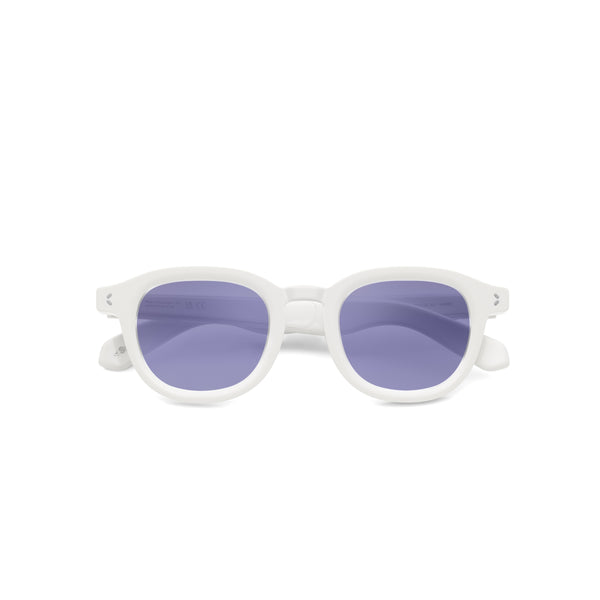
Sutyo Sunglasses use electrochromic lens technology with user-controlled tint adjustment.
Unlike photochromic lenses:
- No UV dependency
- No waiting for sunlight reaction
- No need for environmental triggers
The experience is simple:
Change the tint when you need it.
Driving Beyond Sunlight: The Tunnel Challenge
Driving is not only about bright conditions.
One of the most difficult moments happens when entering tunnels.
A driver may go from:
Bright sunlight
↓
Dark tunnel
within seconds.
Traditional sunglasses can become too dark.
Photochromic lenses may not adjust immediately.
Electrochromic sunglasses allow direct tint control.
Frequently Asked Questions
Why do transition lenses stay clear in cars?
Transition lenses rely on UV light to darken. Since vehicle windshields block much of the UV needed for activation, the lenses may remain clearer while driving.
Do photochromic lenses work behind windshields?
Photochromic lenses may have limited performance behind windshields because reduced UV exposure affects their ability to darken.
What are the best sunglasses for driving?
The best driving sunglasses provide reliable tint control in changing light conditions. Electrochromic sunglasses allow users to adjust lens darkness without relying on UV exposure.
Are electrochromic sunglasses better for driving than transition lenses?
For drivers who need consistent tint control, electrochromic sunglasses provide an advantage because they allow manual adjustment and do not depend on UV activation.
Conclusion
Transition lenses are designed to react to sunlight.
Driving requires something different.
Inside a car, the brightest moments may happen in an environment where UV-dependent lenses cannot fully activate.
Electrochromic sunglasses provide another approach:
Instead of waiting for sunlight to change the lens, the driver controls the light.
For highways, tunnels, and changing road conditions, that difference matters.