Why Are Tunnels So Difficult for Drivers Wearing Sunglasses?
Driving through a tunnel creates an unusually fast change in lighting.
You may be driving under bright sunlight one moment:
Bright road → sunglasses needed
Then, within seconds:
Tunnel entrance → much lower light
The problem is that your eyes need to adapt to the new environment, while your sunglasses may still be optimized for the previous one.
This can make a fixed-tint pair feel too dark just when visibility becomes more important.
What Happens When You Enter a Tunnel Wearing Sunglasses?
Imagine driving on a sunny highway.
Your sunglasses are helping reduce the intensity of the light.
Then you approach a tunnel.
The lighting changes rapidly.
Your visual environment may shift from:
Bright sunlight → shaded entrance → artificial tunnel lighting
in a matter of seconds.
If your lenses remain heavily tinted, you may find the tunnel interior appears darker than expected.
This is one reason tunnel driving is a useful test for sunglasses designed for changing light conditions.
Why Fixed-Tint Sunglasses Can Be Difficult in Tunnels
Traditional sunglasses generally have one fixed tint.
That works well when the lighting remains relatively consistent.
For example:
Bright outdoor sunlight → fixed dark tint
But tunnels create a different situation:
Bright outdoor sunlight → dark environment
The sunglasses cannot automatically change because the tint level is fixed.
The driver has to adapt instead.
What About Photochromic or Transition Lenses?
Photochromic lenses offer automatic tint adjustment, but they work differently from electrochromic lenses.
Photochromic lenses respond primarily to UV exposure.
That makes them useful in many outdoor environments, but sudden transitions such as entering a tunnel present a different challenge.
The environment can become darker extremely quickly.
The lens response may not match the speed of the lighting change.
There is also another issue:
Inside a vehicle, windshield filtering can reduce the UV exposure available to photochromic lenses.
As a result, their behavior while driving may differ from their behavior outdoors.
For a deeper explanation, see our guide to why transition lenses don't work well in cars.
Why Do Sunglasses Feel Too Dark Inside Tunnels?
The issue is straightforward:
The tint that was comfortable in bright sunlight may be excessive in a darker environment.
A lens does not know that you have entered a tunnel simply because the visible environment changed.
With fixed-tint sunglasses, there is no mechanism to reduce the tint.
With UV-dependent photochromic lenses, the adjustment depends on the lens reacting to changes in UV exposure.
Electrochromic sunglasses take a different approach.
Electrochromic vs Photochromic for Tunnel Driving
| Feature | Fixed-Tint Sunglasses | Photochromic Sunglasses | Electrochromic Sunglasses |
|---|---|---|---|
| Tint | Fixed | UV-dependent | Electrically controlled |
| User control | No | No | Yes |
| Responds to changing light | No | Automatically, based on UV | User-controlled |
| Tunnel transition | May remain too dark | Response may lag | Tint can be adjusted directly |
| Works independently of UV | Yes | No | Yes |
The important distinction is not simply whether a lens can become darker.
It is whether the wearer can control the tint when the lighting situation changes.
What Makes a Good Tunnel-Driving Sunglass?
If you regularly drive through tunnels, consider four things.
1. Tint Control
Can you change the darkness of the lens?
A fixed tint gives you one option.
Adjustable tint gives you more flexibility.
2. Response Time
How quickly does the lens change?
Rapid lighting transitions leave little time for slow adjustment.
This is particularly relevant when entering or exiting tunnels.
3. Visibility
Darker does not always mean better.
In bright sunlight, darker lenses can improve comfort.
Inside a tunnel, excessive tint can make the environment harder to see.
The goal is to find the appropriate tint for the current environment.
4. Ease of Use
A feature is only useful if you can operate it naturally while wearing the sunglasses.
Electrochromic sunglasses allow tint adjustment directly through the eyewear rather than requiring a phone or separate device.
Why Adjustable Tint Can Be Useful Beyond Tunnels
Tunnel driving is only one example of rapidly changing light.
The same problem can happen when driving through:
- Tree-lined roads
- Urban streets
- Covered roads
- Parking structures
- Cloudy and sunny areas
- Mountain roads with changing shade
In each situation, the lighting can change faster than a driver expects.
Adjustable tint provides another way to respond.
Sutyo Sunglasses for Changing Light
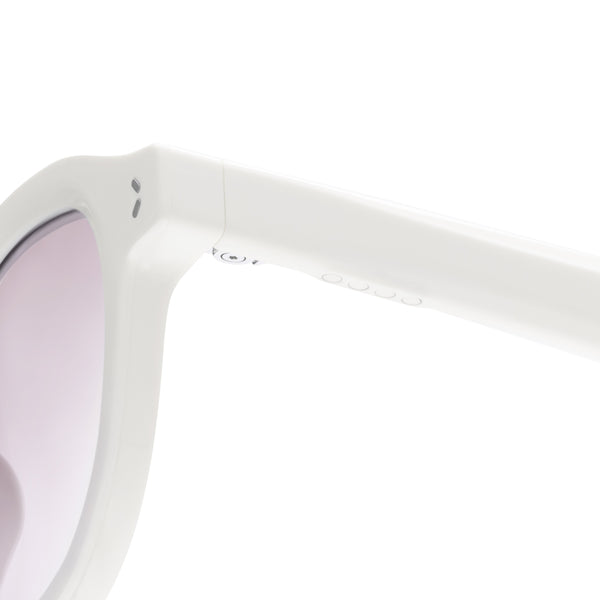
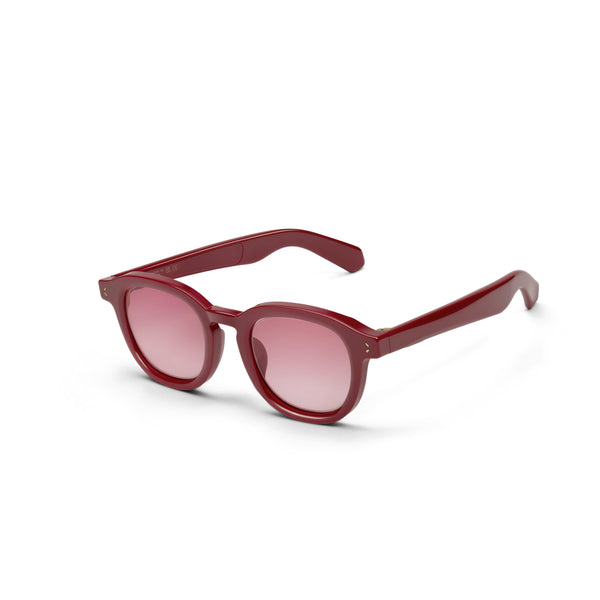
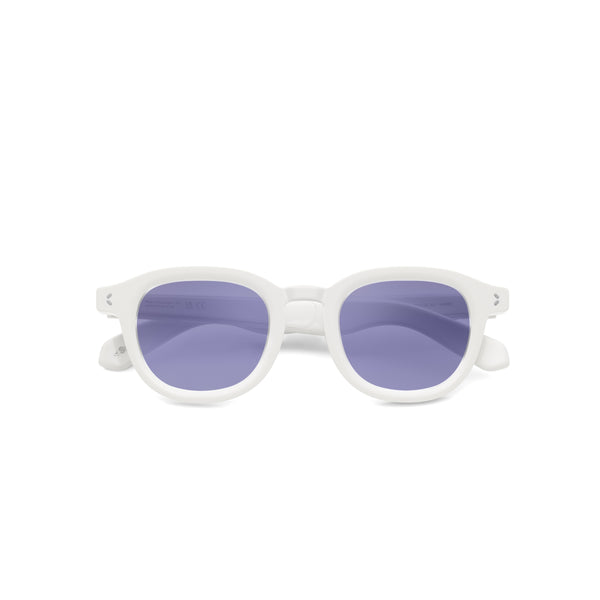
Sutyo uses electrochromic lens technology to provide user-controlled tint adjustment.
The principle is simple:
You control the tint.
The sunglasses do not need to identify whether you are:
- entering a tunnel
- driving on a highway
- cycling under trees
- walking indoors
The wearer simply adjusts the lens according to the environment.
Sutyo's design also remains focused on eyewear rather than digital interaction.
It has:
- No camera
- No microphone
- No AI
- No data collection
Are Dark Sunglasses Always Better for Driving?
No.
The goal of driving sunglasses is not simply to make everything darker.
The goal is to provide appropriate visual comfort while maintaining useful visibility.
A very dark lens may feel comfortable under intense sunlight but become less suitable when the environment suddenly becomes darker.
That is why adjustable tint can be more useful than simply choosing the darkest sunglasses available.
How to Choose Sunglasses for Tunnel Driving
If you frequently encounter tunnels, consider this checklist:
Look for:
- Adjustable tint
- Direct tint control
- Rapid tint adjustment
- Performance that does not depend on UV exposure
- Comfortable operation while driving
Consider carefully:
- Fixed tint levels
- UV-dependent activation
- Slow lens transitions
- Tint that cannot be manually adjusted
Frequently Asked Questions
What are the best sunglasses for driving through tunnels?
The best sunglasses for tunnel driving should allow you to manage lens darkness as lighting changes. Adjustable-tint sunglasses can provide more control than fixed-tint sunglasses, while electrochromic lenses allow users to adjust tint directly.
Should I wear sunglasses when driving through a tunnel?
It depends on the lighting conditions and the level of tint. If your sunglasses are heavily tinted, they may become uncomfortable or reduce visibility when entering a darker environment. Adjustable tint allows you to reduce the lens darkness when needed.
Why do my sunglasses feel too dark in a tunnel?
Your sunglasses may be optimized for the bright outdoor environment you were driving through before entering the tunnel. A fixed-tint lens cannot automatically become lighter, while other lens technologies may take time to respond.
Do photochromic sunglasses work well in tunnels?
Photochromic lenses respond to UV exposure rather than directly responding to visible brightness. Because tunnel lighting changes rapidly and the transition happens inside a vehicle, photochromic lenses may not provide the immediate adjustment a driver expects.
Are electrochromic sunglasses good for driving?
Electrochromic sunglasses can be useful for driving because they allow users to adjust lens tint directly. This makes them particularly relevant for changing light conditions such as bright roads, shaded areas, and tunnels.
Conclusion
Tunnel driving demonstrates a simple problem with sunglasses:
The best tint for one environment may not be the best tint for the next.
A pair that works perfectly under bright sunlight can suddenly feel too dark when you enter a tunnel.
Fixed-tint sunglasses cannot change.
Photochromic lenses depend on environmental conditions.
Electrochromic sunglasses offer another solution:
Let the wearer control the tint.
For drivers who regularly move between bright sunlight and darker environments, that extra control can make sunglasses more adaptable to the road ahead.