Why Do Transition Lenses Struggle Inside Cars?
Many drivers expect transition lenses to automatically darken whenever they enter bright sunlight.
However, the technology behind photochromic lenses depends on UV exposure.
Most transition lenses contain photochromic materials that react when exposed to UV radiation. When UV levels increase, the lenses darken. When UV levels decrease, they gradually return to a clearer state.
The problem?
Your car windshield is designed to block UV light.
That means the same glass protecting you from UV exposure can also reduce the activation signal that photochromic lenses need.
The result:
You may still experience bright glare while your lenses remain relatively clear.
How Photochromic Lenses Work
Photochromic lenses are designed to automatically respond to environmental conditions.
Their advantages include:
- No battery required
- Automatic adjustment
- Convenient everyday use
For many situations, photochromic lenses remain a practical option.
However, their biggest limitation is that the lenses do not directly respond to what you need.
They respond to UV conditions.
If the environment changes faster than the chemical reaction, the lenses cannot immediately follow.
Why Electrochromic Sunglasses Work Better for Driving
Electrochromic sunglasses use a different approach.
Instead of depending on UV light, electrochromic lenses use electrical control to adjust tint.
This means the wearer decides when the lenses become darker or lighter.
With Sutyo Sunglasses:
- Bright highway → slide darker
- Entering a tunnel → slide lighter
- Cloudy weather → adjust instantly
- Moving indoors → reduce tint immediately
The sunglasses respond to your situation, not just the amount of UV around you.
Photochromic vs Electrochromic Sunglasses for Driving
| Feature | Photochromic Sunglasses | Electrochromic Sunglasses |
|---|---|---|
| Tint trigger | UV exposure | User-controlled electricity |
| Works behind windshield | Limited because UV is blocked | Yes |
| Adjustment speed | Seconds to minutes | Milliseconds |
| Control | Automatic | Manual control |
| Best for | General outdoor use | Driving and changing light conditions |
The Tunnel Problem: When Light Changes Faster Than Lenses
Driving is not only about bright sunlight.
Real roads constantly change:
- Entering tunnels
- Driving through tree-covered roads
- Moving between open highways and shaded areas
- Passing through urban environments
These changes can happen within seconds.
A lens that waits for UV conditions may not adjust quickly enough.
Electrochromic sunglasses provide a different experience:
You see the change.
You control the change.
Are Electrochromic Sunglasses Better for Driving?
For drivers who frequently move between different lighting conditions, electrochromic sunglasses offer several advantages:
1. Instant tint adjustment
Instead of waiting for lenses to react, you adjust the tint when you need it.
2. Consistent performance inside vehicles
Because the tint does not depend on UV activation, electrochromic lenses can work behind windshields.
3. One pair for changing environments
A single pair can adapt between:
- Bright sunlight
- Highway driving
- Tunnels
- Outdoor activities
Why Sutyo Sunglasses Are Designed for Changing Light
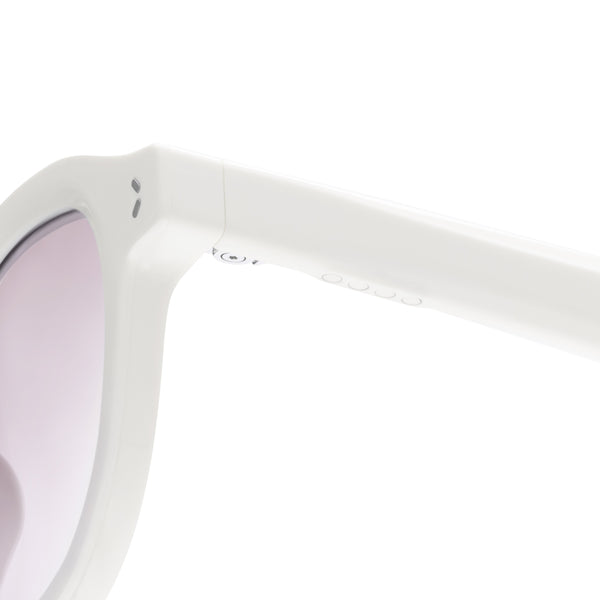
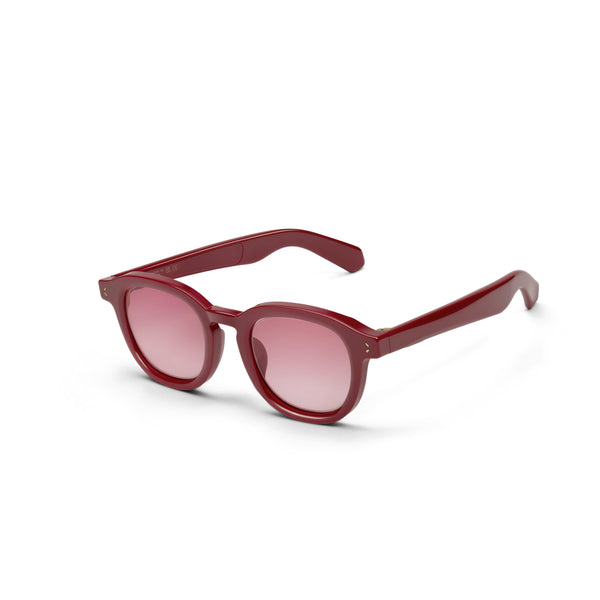
Sutyo Sunglasses are electrochromic sunglasses with instant, user-controlled tint.
Slide the temple and the lenses shift in milliseconds.
The goal is simple:
Keep sunglasses as sunglasses — while giving you control over changing light.
No camera.
No microphone.
No data collection.
Just vision.
Frequently Asked Questions
Do transition lenses work while driving?
Transition lenses often do not darken effectively while driving because car windshields block much of the UV light needed to activate photochromic lenses.
Why are my transition lenses clear in the car?
Photochromic lenses depend on UV exposure. Since most windshields filter UV light, the lenses may remain clearer than expected even in bright sunlight.
What are the best sunglasses for driving?
The best sunglasses for driving should provide consistent tint control in changing light conditions. Electrochromic sunglasses allow drivers to adjust lens darkness instantly instead of relying on UV activation.
Are electrochromic sunglasses better than transition lenses?
Electrochromic sunglasses provide direct tint control, while transition lenses automatically react to UV conditions. The better choice depends on whether you prefer environmental reaction or personal control.
Conclusion
Transition lenses changed how sunglasses adapt to light, but they still depend on the environment around them.
Driving creates a unique challenge:
The brightest moments often happen behind glass, where UV-dependent lenses may not perform as expected.
Electrochromic sunglasses offer another approach.
Instead of waiting for light to change your lenses, you control how your lenses respond.
For drivers moving through highways, tunnels, and changing environments, that difference matters.