What Are Electrochromic Sunglasses?
Electrochromic sunglasses use electrically controlled lens technology to adjust darkness levels.
Instead of waiting for sunlight to trigger a chemical reaction, electrochromic lenses use an electronic system to change tint when the wearer activates the control.
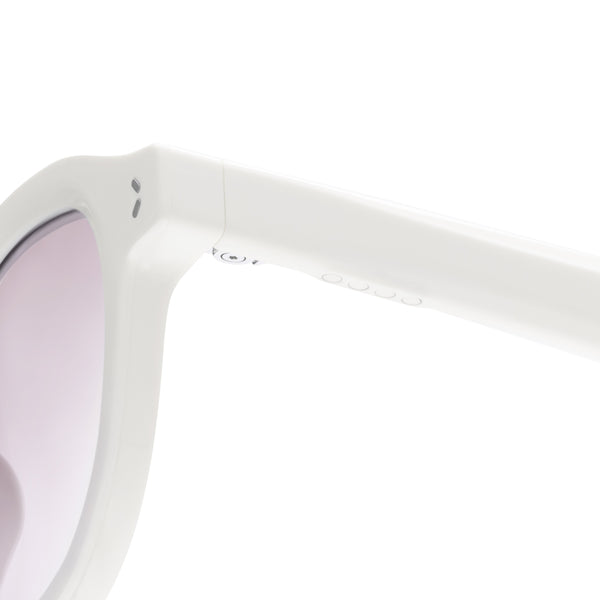
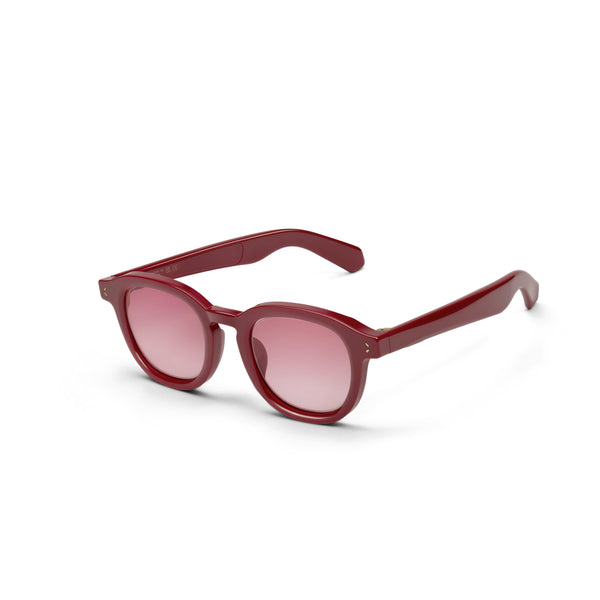
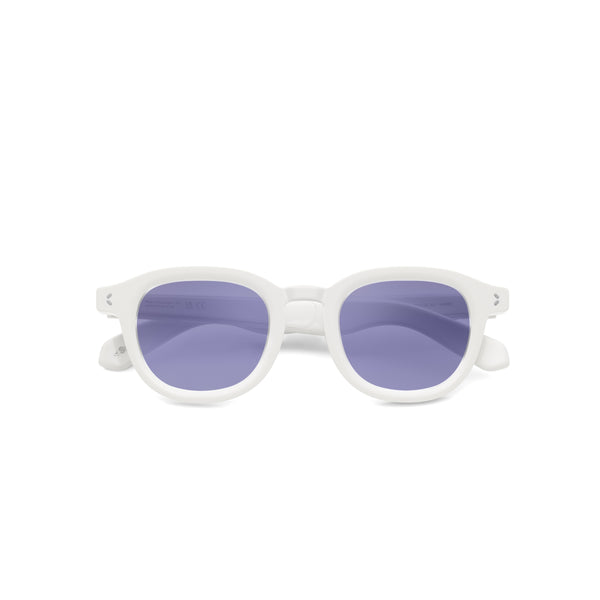
Sutyo Sunglasses are electrochromic sunglasses with instant, user-controlled tint. Slide the temple and the lenses shift in milliseconds.
Unlike camera-based wearable devices, Sutyo focuses on one purpose: controlling your vision in changing light conditions.
No camera.
No microphone.
No data collection.
Just vision.
What Are Photochromic Sunglasses?
Photochromic sunglasses, often known as transition lenses, change darkness based on exposure to UV light.
When exposed to sunlight, photochromic molecules react and make the lenses darker. When UV exposure decreases, the lenses gradually return to a clearer state.
This technology has been popular because it is:
- Passive
- Battery-free
- Convenient for everyday use
However, because photochromic lenses depend on UV exposure, their performance can change depending on the environment.
Electrochromic vs Photochromic: Key Differences
| Feature | Electrochromic Sunglasses | Photochromic Sunglasses |
|---|---|---|
| Tint control | User controlled | Environment controlled |
| Technology | Electrically driven lens adjustment | UV-triggered chemical reaction |
| Speed | Milliseconds | Seconds to minutes |
| Driving performance | Works behind windshields | Often limited because glass blocks UV |
| Tint level | Adjustable | Determined by sunlight |
| Battery | Requires charging | No battery needed |
Why Electrochromic Sunglasses Work Better for Driving
One of the biggest limitations of photochromic lenses appears inside cars.
Most vehicle windshields block a large amount of UV light. Since photochromic lenses rely on UV activation, they may remain relatively clear even when sunlight feels uncomfortable.
Electrochromic sunglasses solve this differently.
Because the tint is electrically controlled instead of UV-dependent, the wearer can adjust darkness anytime:
- Bright highway → slide darker
- Entering a tunnel → slide lighter
- Changing weather → adjust instantly
The environment changes quickly. Your sunglasses should be able to keep up.
Are Electrochromic Sunglasses Better Than Photochromic Sunglasses?
It depends on what you need.
Photochromic lenses may still be a good choice for people who want:
- No charging
- Automatic adjustment
- Lower cost
Electrochromic sunglasses are designed for people who want:
- Instant tint control
- Consistent performance in different environments
- Better control while driving, cycling, and traveling
The difference is not simply speed.
It is control.
Photochromic lenses decide for you.
Electrochromic lenses let you decide.
Why Sutyo Uses Electrochromic Technology
Sutyo Sunglasses are built around a simple idea:
Technology should improve sunglasses without turning them into something else.
The result is:
- Instant adjustable tint
- No app required
- No camera
- No microphone
- No data collection
The sunglasses stay sunglasses — with one additional ability:
You control the light.
Frequently Asked Questions
Are electrochromic sunglasses better than photochromic sunglasses?
Electrochromic sunglasses provide more direct control because users can adjust tint manually instead of waiting for UV conditions to change.
Do photochromic sunglasses work in cars?
Photochromic sunglasses often perform poorly inside cars because windshields block much of the UV light needed to activate the lenses.
Do Sutyo Sunglasses have a camera?
No. Sutyo Sunglasses have no camera, no microphone, no speaker, and no AI. They record nothing and collect no data — the electronics only control lens tint.
Are Sutyo Sunglasses smart glasses?
No. Sutyo Sunglasses are electrochromic sunglasses designed for adjustable tint control. They do not include cameras, microphones, AI assistants, or data collection features.
Conclusion
Photochromic sunglasses react to the world around you.
Electrochromic sunglasses give you control over how you see the world.
For people who move between bright sunlight, indoor spaces, tunnels, and changing environments, adjustable tint technology offers a different approach:
Not smarter sunglasses.
Just better control.