Photochromic sunglasses are designed to darken when exposed to sunlight, so it can be confusing when they seem to work perfectly outdoors but stay relatively light once you get into a car.
The reason has to do with UV light.
Most photochromic lenses rely on UV radiation to trigger their transition from clear to dark. A vehicle windshield, however, changes how much UV light reaches the lens.
Understanding this difference helps explain why photochromic sunglasses can behave differently when you're driving—and why electronically adjustable lenses offer another approach.
Why Photochromic Lenses Behave Differently in a Car
Photochromic technology is designed to respond to the light environment around you. Outdoors, the lenses are directly exposed to sunlight and can darken as UV exposure increases.
Inside a vehicle, the situation is different.
How Photochromic Lenses React to UV Light
Photochromic lenses contain materials that change their optical properties when exposed to ultraviolet radiation.
As UV exposure increases, the lenses become darker. When UV exposure decreases, they gradually return toward a lighter state.
The basic process is:
- UV exposure increases → lens darkens
- UV exposure decreases → lens lightens
This makes photochromic lenses convenient for moving between indoor and outdoor environments.
But driving introduces another layer between the lens and the sun: the vehicle's glass.
What Changes Behind a Windshield
Windshields are generally designed to block significant amounts of UV radiation.
That is useful for reducing UV exposure inside the vehicle, but it can also reduce the amount of UV reaching photochromic lenses.
As a result, your sunglasses may not darken as much inside the car as they do outdoors.
You might notice that the lenses:
- Remain relatively light
- Darken more slowly
- Do not reach the same tint level as they do outside
- Respond differently depending on the direction and amount of sunlight
This does not necessarily mean the photochromic lenses are malfunctioning.
They are responding to a different light environment.
What This Means for Driving
The difference between outdoor and in-car performance becomes especially noticeable when you're driving through constantly changing lighting conditions.
A typical journey might take you through bright sunlight, shade, tunnels, and areas with reflected light within just a few minutes.
For the wearer, these changes can feel immediate.
For photochromic lenses, however, the response depends on the activating light that reaches the lens.
Why Brightness and UV Are Not the Same
One of the most common sources of confusion is assuming that a bright environment should automatically make photochromic lenses darker.
But visible brightness and UV exposure are not the same thing.
A car cabin can remain visually bright because plenty of visible light passes through the windshield, while much of the UV radiation that activates a photochromic lens has already been filtered.
So you can have:
- A bright day outside + a relatively light photochromic lens inside the car.
That's why looking out at a sunny road does not necessarily mean your lenses will reach their darkest state.
Why Changing Light Can Be Challenging on the Road
Driving also creates rapid transitions between different lighting conditions.
For example:
- Bright sunlight → tunnel → shaded road → direct sunlight
Your eyes need to adapt to these changes, while your sunglasses are also affecting how much light reaches your eyes.
For photochromic lenses, the transition depends largely on UV exposure.
This is an important distinction for drivers who expect their sunglasses to automatically respond to every change in visible brightness.
The lens can only respond to the signals its technology is designed to detect.
Photochromic vs. Electrochromic Sunglasses
Photochromic and electrochromic lenses both offer adjustable optical states, but they achieve this in fundamentally different ways.
Understanding the difference can help you decide which type of technology better matches the way you use your sunglasses.
How the Two Technologies Respond to Light
Photochromic lenses respond primarily to UV exposure.
The environment triggers the transition.
Electrochromic lenses use an electrical signal to change the optical state of the lens.
The wearer can control the transition.
This distinction becomes particularly relevant inside a vehicle.
A windshield can reduce the UV exposure available to a photochromic lens, while an electronically controlled electrochromic lens does not depend on the same UV-triggered mechanism.
Neither technology is necessarily the right choice for every situation. They simply provide different approaches to adaptive eyewear.
How Sutyo Approaches Adjustable Eyewear
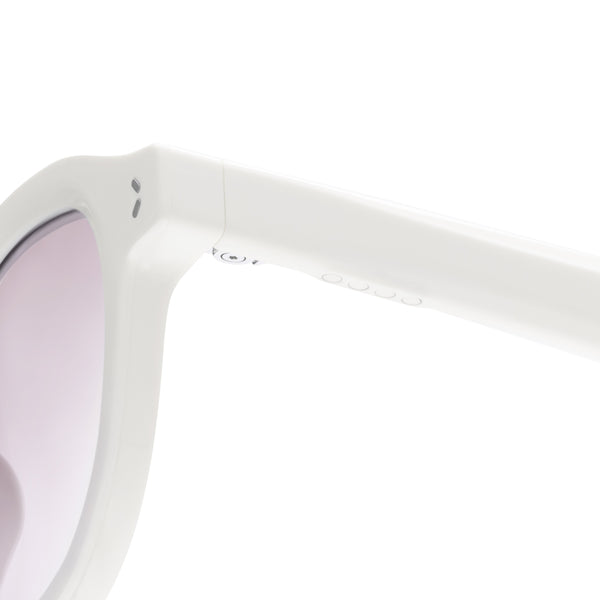
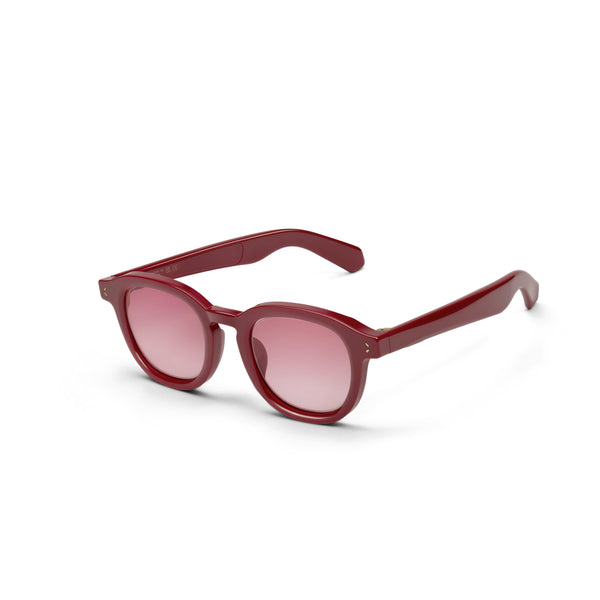
Sutyo explores the possibilities of electrochromic eyewear, bringing adjustable light and color directly into the lens.
- Lightshift allows the wearer to adjust lens darkness between Category 1 and Category 3.
- Colorshift takes the idea further by allowing the lens to transition between different colors.
Instead of waiting for the environment to trigger a change, the wearer can interact with the lens directly.
This reflects Sutyo's broader “Light as Form” philosophy: treating light and color not simply as functional properties of sunglasses, but as part of the design and wearing experience.
Frequently Asked Questions
Why don't my photochromic sunglasses get dark in the car?
Many photochromic lenses rely on UV light to activate. Because a windshield filters a significant amount of UV radiation, the lenses may not darken as much inside a vehicle as they do outdoors.
Does a windshield block UV light?
Windshields are generally designed to block significant amounts of UV radiation, although the exact level can vary depending on the vehicle and type of glass.
Are photochromic sunglasses good for driving?
Photochromic sunglasses can be useful for everyday outdoor wear, but their ability to darken inside a vehicle may be limited by the amount of UV light reaching the lenses.
What is the difference between photochromic and electrochromic sunglasses?
Photochromic lenses primarily respond to UV exposure, while electrochromic lenses use an electrical signal to change their optical state.
Why might electrochromic sunglasses be useful for driving?
Electrochromic technology allows the wearer to adjust the lens electronically rather than relying solely on UV exposure. This can be useful when driving through environments where vehicle glass changes the available UV light.
See Light Differently
Light changes throughout the day—and the way you experience it doesn't have to stay fixed.
Explore Sutyo's electrochromic eyewear and discover a different approach to adjustable light, color, and contemporary eyewear.