Important
Prescription lenses cannot be returned because they are custom-made.

Guarantee Period
How to Claim
If you see a lower eligible price on the website, simply email our Customer Support team with your order number and details of the lower price.
Refund Method
Approved price adjustments will be refunded to your original payment method.
12-Month Warranty | 30-Day Returns | 3-7 Day Delivery
SELECT YOUR LENSES
受取は現在不可能です
Our transparent and fair policies ensure a worry‑free shopping experience.
Sutyo Style in Real Life


With a gentle slide, transitions seamlessly from Cat.1 to Cat.3 Enhances clarity and delivers a natural, true-to-life visual experience, while blocking UV rays.

SLIDE
INTO
SILENCE
都市は、絶えず変化し続ける建築です。
私たちは毎日、情報、音、イメージ、感情が幾重にも重なる世界を行き交います。
ガラスのファサードは、無数の反射を映し出し、
ストリートには、数えきれない物語が刻まれています。

ADJUST THE SHADE,
AND
CONTROL THE DISTANCE.
建築は姿を変え、都市は流れ続けます。
それでも、本当の洗練は過剰さの中にはありません。
それは明晰さの中にあります。
複雑さの中にある、研ぎ澄まされた構造として。

DESIGNED
WITH
INTENTION.
Pitchは、現代建築から着想を得ています。
不要なものを削ぎ落とし、
あらゆるプロポーションを研ぎ澄ます。
テクノロジーはフォルムの中へと消え、
体験だけが残ります。

TECHNOLOGY OUT
OF
SIGHT.
深みのあるブラックレンズは、都市建築のスモークガラスを映し出すように。
ひとつのスライドで周囲の環境に合わせて変化し、
外からの刺激をやわらげながら、
あなたと世界のあいだに意識的な距離を保ちます。


Electronically-adjustable sunglasses with instant tint control via touch. Customers praised the "way more comfortable than expected" fit with adjustable nose pads and lightweight frame. The instant color change from dark to purple gradient works in cars, unlike traditional photochromic lenses. Minor concerns include charging requirements and a learning curve for touch controls.
The lens color is so pretty! It reminds me of lake water. Love it!
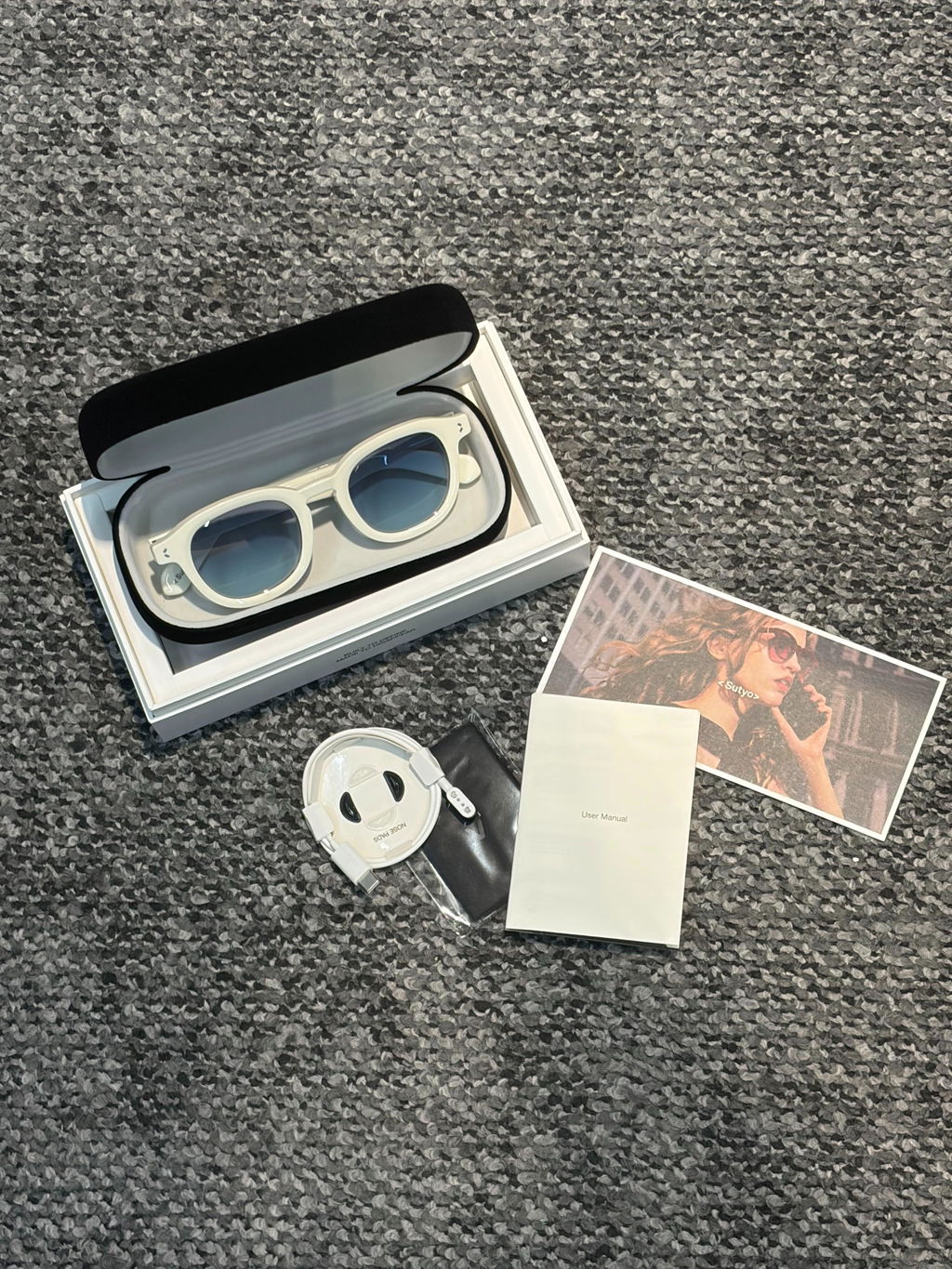
I really love the packaging came in very good condition ...The lenses adjust with a simple touch, blocking the sun when I need it, and by the way there lightweight..
I've worn photochromic lenses for years. Transitions, mostly. They work — kind of. They darken in sunlight, fade back indoors. But they're slow. You walk into a store and you're that person standing there with dark lenses for 30 seconds while they catch up. And in the car? Completely useless. Windshield blocks UV, so they stay clear. I've just accepted it as how things are.
So I tried the Sutyo Aurora Fade to see if the electronic approach is actually better.
The short answer: yes, for some things. Not for everything.
The good stuff:
The tint changes instantly when you slide the left temple. No waiting, no awkward half-dark phase. I drive to the gym around 4-5 PM when the sun is brutal, so I darken them before I pull out. Then I clear them before I walk in. I didn't realize how much I'd appreciate having control instead of waiting for the lenses to decide.
Also, they work in the car. That alone makes them better than Transitions for driving.
The frame itself is nice — translucent with a subtle fade, lightweight, doesn't pinch. It looks modern without screaming "tech."
The not-so-good stuff:
The battery is fine, but it's another thing to remember to charge. With photochromic, there's no battery — it just works. I've had to plug these in twice this week because I forgot. It's not a big deal, but it's an extra step.
Also, the touch control is responsive but takes a minute to get used to. I accidentally swiped it a few times adjusting the glasses on my face. Not a dealbreaker — just a learning curve.
Bottom line:
If you want instant control and you drive a lot, Sutyo is better than photochromic. The convenience is real. But if you hate charging things or you just want glasses that work without thinking, the old tech is still fine.
I'll keep using these. My Transitions are in the drawer now — but I could see myself going back if the battery gets annoying. For now, I like having the option.
Saw these on a Facebook ad and decided to give it a shot. Fits my face well. Took a day to get used to the touch controls but now it's fine.
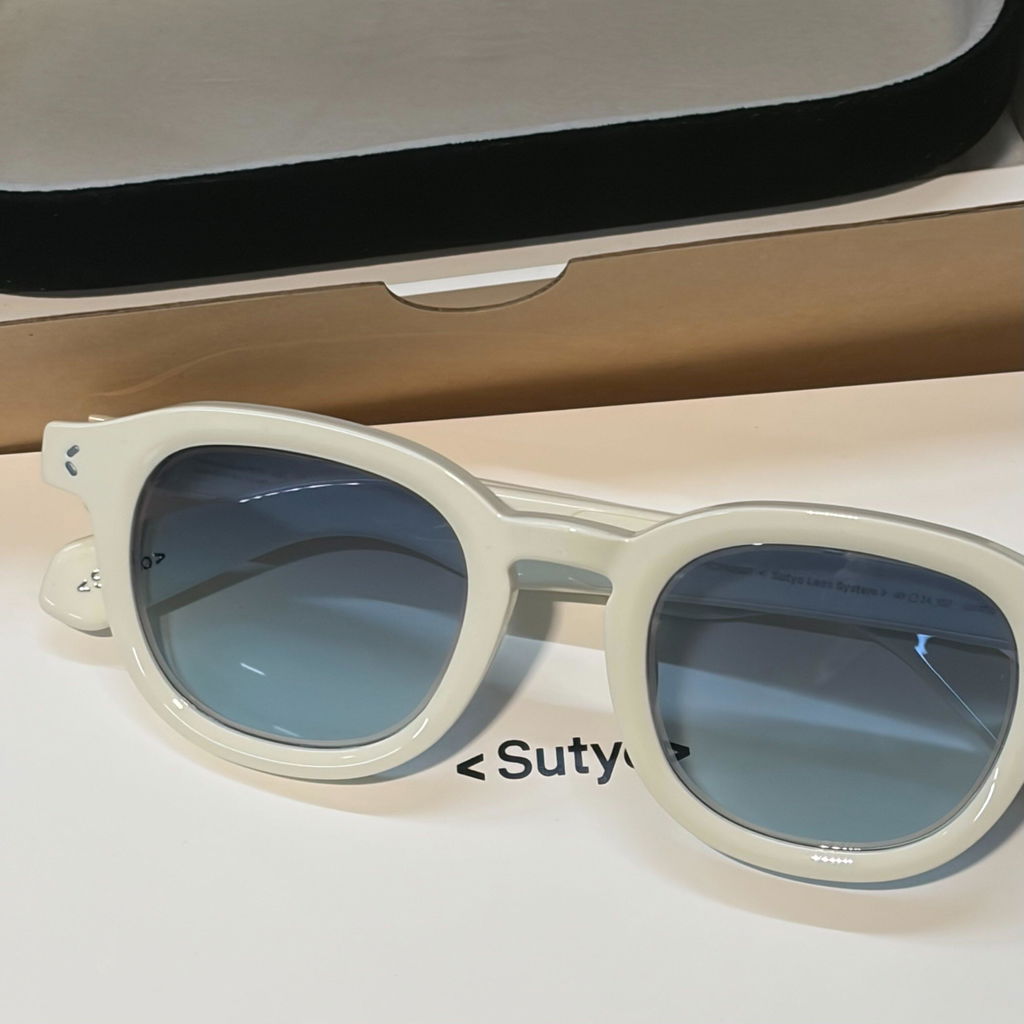
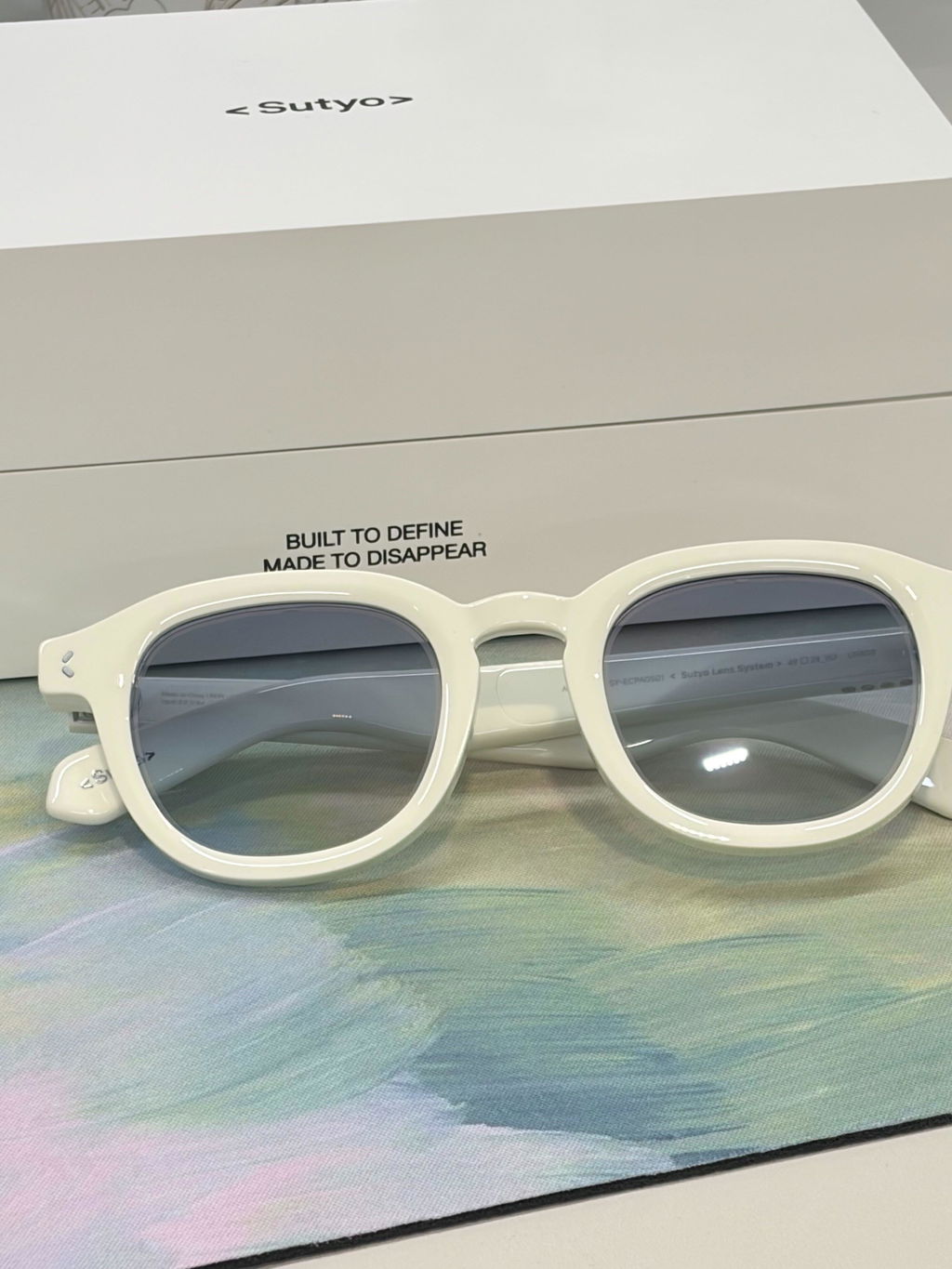
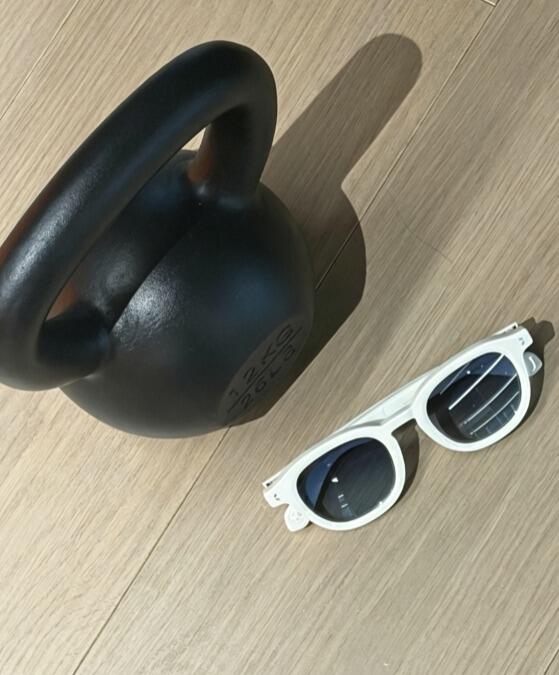
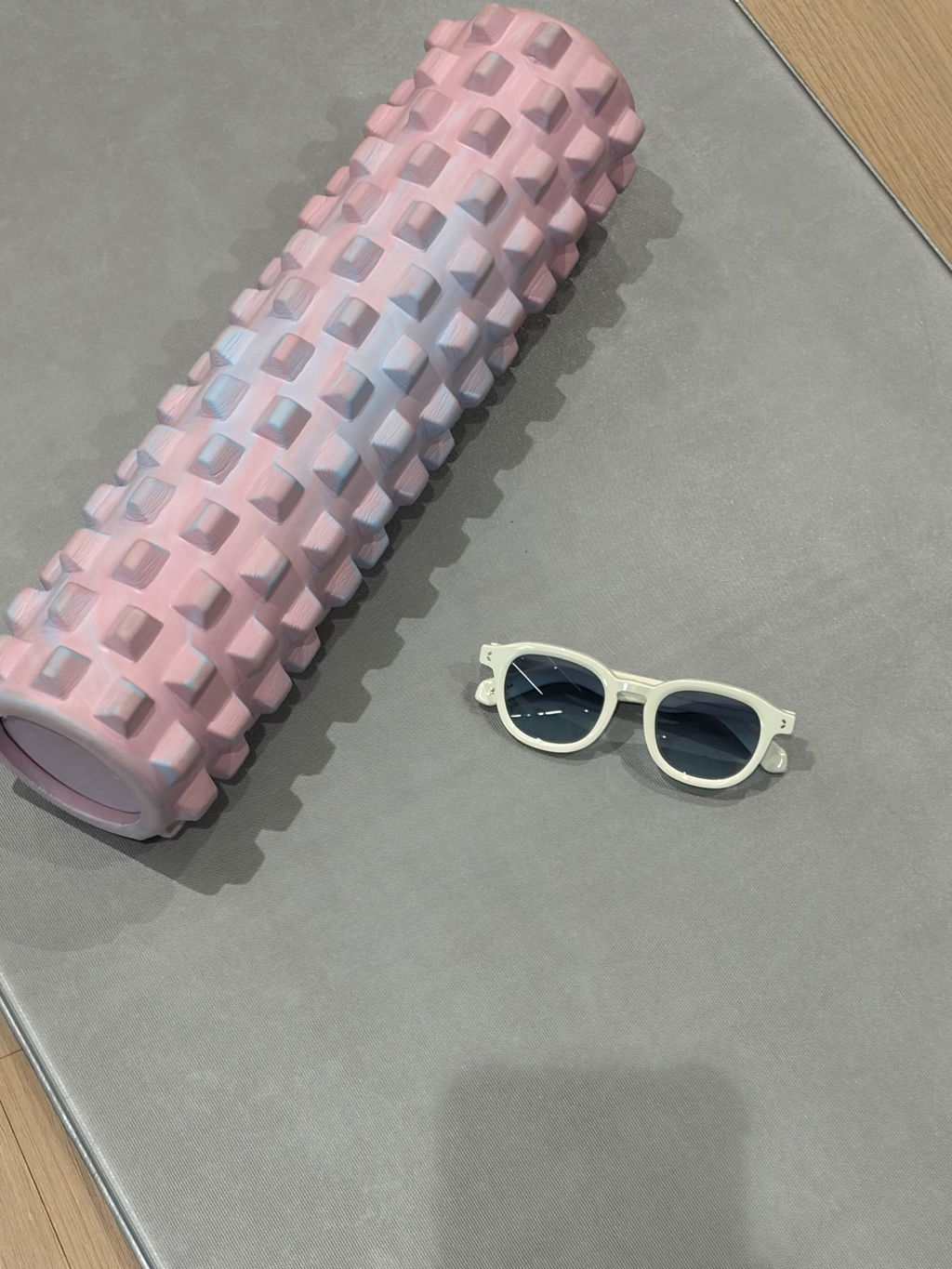
I'm usually really picky with sunglasses, but these white frames fit my curly hair and nose ring SO well! They have this cool retro-chunky shape that instantly upgrades any outfit.
As you can see in my photos, they go from a solid dark grey to a light, gradient purple tint just by sliding the arm. The switch is super smooth and doesn't feel cheap at all. They stay put on my face and don't slide down when I move around. For anyone looking for a unique pair, look no further—get these!
Exactly what I was looking for.
Way more comfortable than I expected.
I usually get pressure marks on my nose after wearing sunglasses for a few hours, but these have been surprisingly comfortable. I also like that you can adjust the nose pads for a better fit. I wore them through an entire afternoon without wanting to take them off.
Excelente producto, entrega a tiempo.
Everything that I was expecting!
Wasn't expecting much but these exceeded my expectations. The frame is light but doesn't feel cheap, sits well on the face.
I bought all three colors gave to different friends, they all loved them! Happily😍
Comfortable and Fashionable!
Great, as described.
Good overall, but the lens customization took a bit longer than expected — about 10 days. Other than that, everything else was great.
Great sunglasses for everyday use
Great product,user friendly, happy as.
Picked these up for my friend's birthday. She likes them.
Der Farbwechsel ist schnell und sieht cool aus. Der weiße Rahmen ist schick, aber ich hab Angst, dass er schnell schmutzig wird. Bisher geht's aber.