Why Changing Light Conditions Are Difficult for Sunglasses
Our daily environments rarely have one consistent lighting condition.
A single day may include:
- Bright sunlight outdoors
- Indoor spaces
- Shaded streets
- Car interiors
- Tunnels
- Changing weather
Traditional sunglasses solve one problem:
Blocking bright light.
But they create another:
What happens when the light changes?
A lens that is perfect under strong sunlight may feel too dark indoors.
A lens that works indoors may feel insufficient outside.
This is why adaptive tint technology has become an important development in eyewear.
Different Types of Sunglasses for Changing Light
There are several approaches to managing changing light.
1. Traditional Sunglasses
Traditional sunglasses use a fixed tint level.
Advantages:
- Simple
- No charging required
- Reliable
Limitations:
The tint cannot change.
Users often need different sunglasses for different situations.
2. Photochromic Sunglasses
Photochromic sunglasses automatically react to UV light.
Advantages:
- Automatic adjustment
- No manual control
- Convenient outdoor use
Limitations:
Because they depend on UV exposure, they may not perform consistently in every environment.
For example, inside vehicles, windshields can reduce UV exposure and limit lens activation.
3. Electrochromic Sunglasses
Electrochromic sunglasses use electrical control to adjust tint.
Advantages:
- User-controlled adjustment
- Faster response
- Works independently from UV conditions
Instead of waiting for the environment to change the lens, the wearer controls the amount of tint.
Best Sunglasses for Driving
Driving creates some of the biggest challenges for changing-light conditions.
Drivers experience:
- Direct sunlight
- Reflections
- Tunnel entrances
- Changing weather
Why Photochromic Lenses Can Struggle While Driving
Photochromic lenses rely on UV exposure.
However, vehicle windshields block much of the UV light needed for activation.
This means lenses may stay clearer than expected even when sunlight is uncomfortable.
Why Adjustable Tint Sunglasses Help Drivers
Electrochromic sunglasses allow drivers to control tint directly.
Examples:
Bright highway: → Increase tint
Entering a tunnel: → Reduce tint
Changing weather: → Adjust visibility
The driver decides when the lens changes.
Best Sunglasses for Cycling
Cycling creates another challenge:
Light changes constantly while moving.
A cyclist may move between:
- Open sunlight
- Tree shadows
- Urban streets
- Cloudy conditions
Fixed tint sunglasses may not always provide the right balance.
Electrochromic sunglasses provide flexibility by allowing riders to adjust tint according to conditions.
Best Sunglasses for Travel
Travel often means moving through many lighting environments in one day:
- Airport terminals
- Outdoor streets
- Cafes
- Tourist attractions
Carrying multiple sunglasses for different situations is inconvenient.
Adjustable tint sunglasses provide another option:
One pair that adapts across different environments.
Indoor to Outdoor Sunglasses: Why Adaptability Matters
Many people experience the same problem:
Walking outside: Too bright.
Walking inside: Too dark.
The challenge is not only protection.
It is transition.
Adaptive sunglasses help bridge the gap between different environments.
Sutyo: Designed for Changing Light Conditions
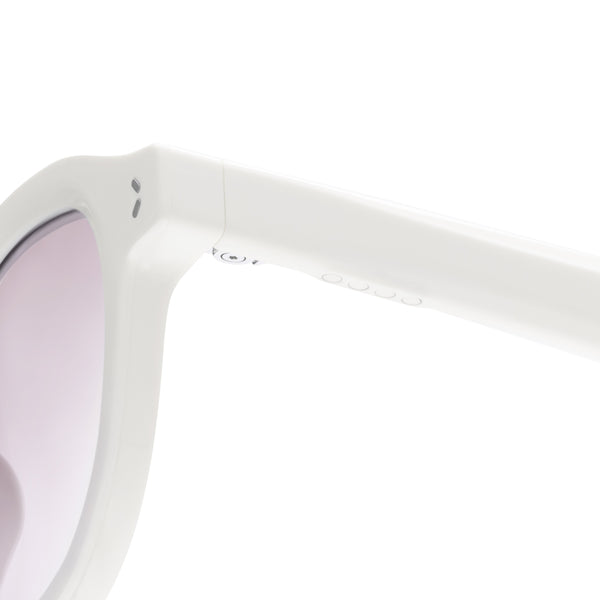
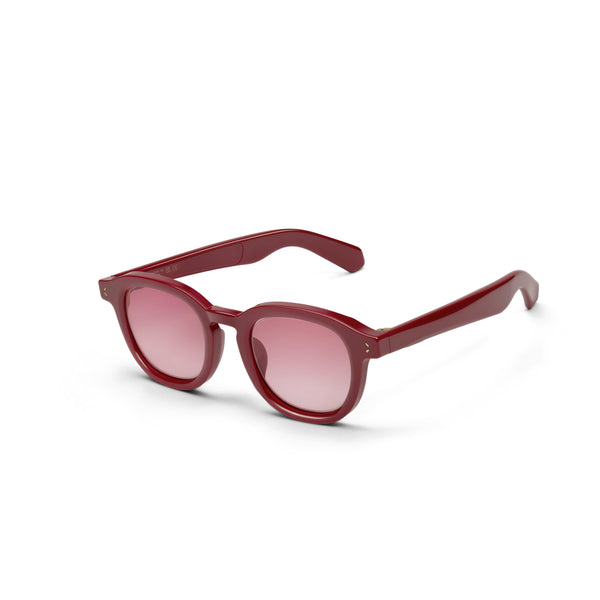
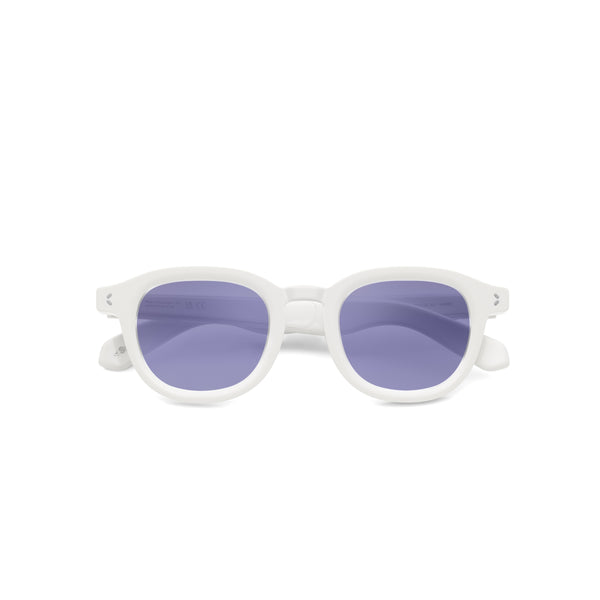
Sutyo Sunglasses use electrochromic lens technology to provide adjustable tint control.
The experience is designed around:
User-Controlled Light Management
Instead of waiting for sunlight conditions, users decide the tint level.
Simple Operation
Sutyo follows a:
Worn, Not Operated
design philosophy.
The goal is to improve sunglasses without adding unnecessary complexity.
Camera-Free Design
Sutyo focuses on light control rather than digital features.
Sutyo Sunglasses include:
- No camera
- No microphone
- No AI
- No data collection
The technology exists only to improve the sunglasses experience.
How to Choose Sunglasses for Changing Light
Before choosing adaptive sunglasses, consider:
1. Where will you use them?
Different situations have different requirements:
Driving: → Fast tint control
Cycling: → Adaptability
Travel: → Versatility
2. Do you want automatic or manual control?
Photochromic: Environment decides.
Electrochromic: You decide.
3. Do you want technology without extra complexity?
Some users want advanced eyewear.
Others want better sunglasses.
Understanding your priority helps choose the right product category.
Comparison: Sunglasses for Changing Light Conditions
| Type | Light Adjustment | User Control | Best For |
|---|---|---|---|
| Traditional sunglasses | Fixed | No | Consistent sunlight |
| Photochromic sunglasses | UV-based | No | General outdoor use |
| Electrochromic sunglasses | Electronic tint control | Yes | Driving, cycling, changing environments |
Frequently Asked Questions
What are the best sunglasses for changing light conditions?
The best sunglasses for changing light conditions are those that can adapt when environments change. Electrochromic sunglasses provide direct tint control, while photochromic lenses rely on UV conditions.
What sunglasses are best for driving?
Sunglasses for driving should provide comfortable visibility in changing light. Electrochromic sunglasses can adjust tint inside vehicles without relying on UV activation.
Are photochromic lenses good for tunnels?
Photochromic lenses may not adjust quickly enough for sudden changes like tunnel entrances. Electrochromic sunglasses allow users to manually adjust tint when needed.
What sunglasses are good for cycling?
Cycling sunglasses should handle changing light caused by movement between sunlight and shade. Adjustable tint sunglasses provide flexibility for different riding conditions.
Conclusion
Light rarely stays the same.
From highways to bike trails, airports to city streets, people move through constantly changing environments.
Traditional sunglasses offer protection.
Photochromic lenses offer automatic adaptation.
Electrochromic sunglasses offer something different:
Control.
With adjustable tint technology, Sutyo helps users manage changing light conditions with one pair of sunglasses designed for everyday movement.